Extreme speeding is not a minor traffic issue. It is one of the most dangerous behaviors on American roads, often leading to catastrophic accidents within seconds. To address this growing threat, California has introduced the FAST Program, formally known as Forwarded Actions for Speeding Tickets. This initiative reflects a shift in how the state responds to drivers who travel at dangerously high speeds and put everyone else at risk.
The FAST Program was created to target drivers caught going over 100 miles per hour on California highways. Instead of relying only on traditional court proceedings, the program allows the state to act more quickly. It represents a proactive effort to protect the public by shortening the time between a serious speeding violation and potential license consequences.
What Is the FAST Program and How Does It Operate?
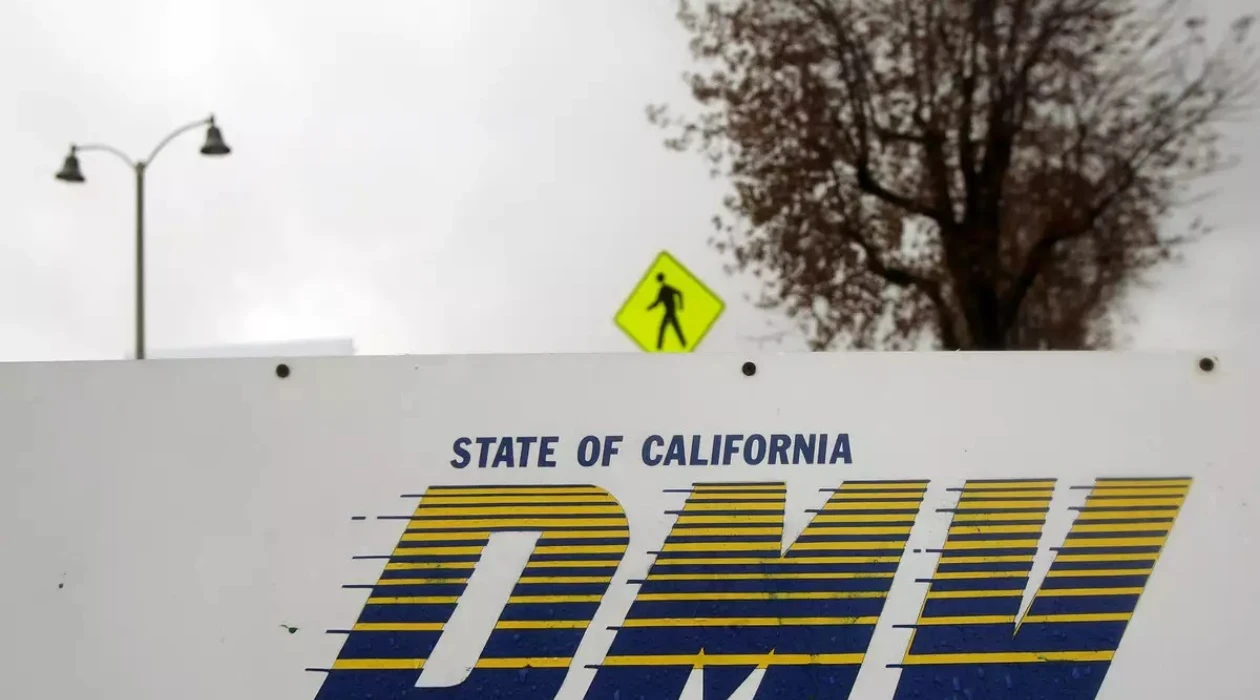
The FAST Program is a joint effort between the California Highway Patrol and the California Department of Motor Vehicles. When a driver is cited for traveling more than 100 miles per hour, that citation is automatically forwarded to the DMV’s Driver Safety Branch. This step happens immediately and does not depend on a court conviction.
Once the citation reaches the DMV, the agency can review the driver’s history and decide whether administrative action is necessary. This may include suspending or revoking the driver’s license. The key difference is timing. Traditional systems often take months before any serious action occurs. The FAST Program is designed to close that gap and respond while the risk is still fresh and relevant.
Why Extreme Speeding Demands Faster Action
Speeding has long been a factor in serious crashes, but extreme speeding amplifies every danger on the road. At speeds over 100 miles per hour, drivers have very little time to react, and vehicles require far greater distances to stop. The force of impact in a collision increases dramatically, making severe injuries or death far more likely.
Across the United States, traffic fatalities increased during the pandemic, even though fewer cars were on the road. Faster driving played a major role in that rise. In 2023, speeding was a factor in nearly 30 percent of all traffic deaths nationwide, contributing to more than 11,700 fatalities. These are not abstract statistics. They represent lives lost and families forever changed.
California faces the same challenge. Officers issue about 1,600 citations each month to drivers traveling at over 100 miles per hour. In 2024 alone, more than 18,000 drivers were cited for extreme speeding. On crowded highways, one driver traveling at those speeds can endanger dozens of others in an instant. The FAST Program was introduced because waiting for repeated offenses or court delays often meant waiting for tragedy.
How the FAST Program Changes the Enforcement Timeline
Most states suspend or revoke licenses only after drivers accumulate points or are convicted of serious offenses. That process can be slow, and during that time, high-risk drivers may continue to operate their vehicles. The FAST Program takes a different approach by triggering an administrative review as soon as an extreme speeding citation is issued.
This does not eliminate due process or court proceedings. Instead, it runs parallel to them. The goal is prevention rather than reaction. By identifying extreme speeding as a warning sign that demands immediate attention, the FAST Program aims to remove the most dangerous drivers from the road sooner rather than later.
Will the FAST Program Actually Reduce Crashes?
The success of the FAST Program depends on whether quick and certain consequences change driver behavior. Research and experience suggest that they often do. When drivers know that traveling over 100 miles per hour could quickly lead to losing their license, some will reconsider their choices. For those who do not, the program provides a mechanism to intervene before another crash occurs.
California plans to evaluate the impact of the FAST Program by comparing citation rates, license actions, and crash data with previous years. If extreme speeding citations decrease and high-speed crashes decline, the program could demonstrate that faster administrative action saves lives.
Legal and safety professionals have expressed support for the approach. Attorney J.J. Dominguez of The Dominguez Firm has emphasized the importance of timely intervention, noting that dangerous drivers should not be allowed to harm multiple people before the state steps in. High-speed crashes often result in devastating injuries, and accountability must come quickly to be effective.
Could the FAST Program Become a National Model?
Other states are paying close attention. Speeding remains one of the leading causes of collisions nationwide, and many states are searching for better ways to reduce traffic deaths. The FAST Program offers a clear, targeted strategy that focuses on the most extreme and dangerous behavior rather than minor infractions.
If California’s data shows that faster license reviews lead to fewer high-speed crashes and fatalities, similar programs may be adopted elsewhere. The appeal is obvious. It is efficient, preventive, and centered on public safety.
Conclusion
The FAST Program sends a clear message that driving over 100 miles per hour is not just another traffic violation. It is a serious threat to public safety that demands immediate attention. By shortening the time between reckless behavior and real consequences, California is taking a meaningful step toward preventing tragedies before they happen. If the FAST Program continues to show positive results, it may not only change how California handles extreme speeding but also influence how the rest of the country approaches one of the deadliest problems on its roads.